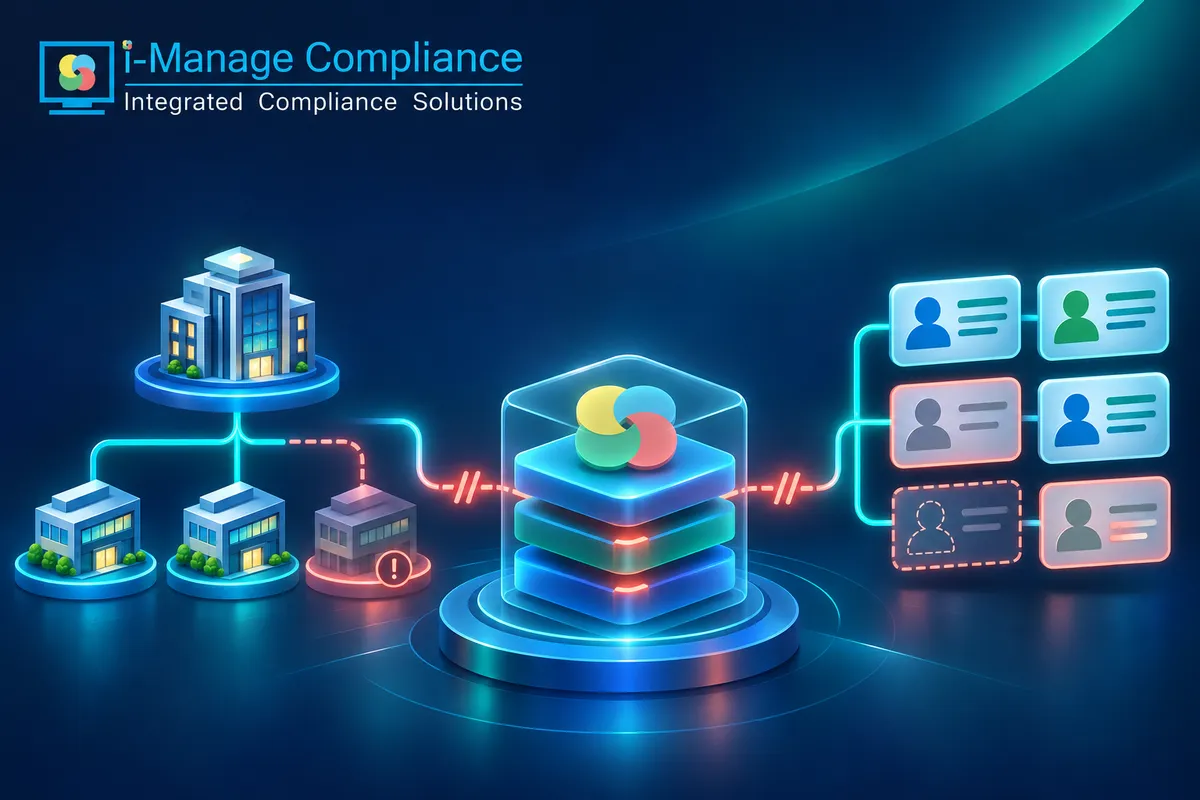
Why Electronic HSE Systems Often Fail
Health & Safety, Compliance Management, Digital HSE Systems
Why Electronic HSE System Implementations Fail
Electronic HSE platforms promise visibility, standardisation and easier follow-up across multiple sites. Yet in many organisations, the system goes live, logins are issued, and very little changes operationally. The problem is rarely the software alone. It is the management and information foundations into which the system is deployed.
1. Management Treats It as a Safety-Department Project
In multi-branch operations, many of the activities that drive health and safety performance happen at branch level: inspections, inductions, toolbox talks, meetings, appointments, document reviews and corrective actions. These are operational tasks, not back-office administration. When an electronic HSE system is positioned as “the safety department’s project”, branch and line managers understandably treat it as optional administration rather than part of running their sites.
The result is predictable. Tasks are ignored, information is not updated, and the safety team is forced back into spreadsheets, emails, phone calls and personal reminders to obtain evidence. The organisation now owns a system licence, but continues to operate through manual workarounds. From a management perspective, this adds cost without delivering meaningful oversight or assurance.
2. Responsibility Must Be Supported by Authority and Oversight
South Africa’s Occupational Health and Safety Act is clear that the duty to ensure compliance ultimately rests with the chief executive officer (Section 16(1)). Duties may be assigned under Section 16(2), but the responsibility is not transferred; it is exercised through others, under the CEO’s control and direction. In practice, many organisations appoint branch or regional managers as Section 16(2) assignees, but the real test is not the letter of appointment. It is whether those individuals have the authority, resources and oversight required to deliver on the duties in a sustained way.
An electronic HSE system makes these assignments visible. If a branch manager is named as responsible for inspections, risk assessments or close-out of actions, but cannot influence staffing, scheduling, training or budget, the implementation will stall. Appointments should clearly define the scope of duties, the area or workplace covered, the individual’s decision-making authority, the resources available, reporting lines and escalation routes. Without this management architecture, the system simply exposes that responsibility has been delegated without the means to discharge it.
3. Electronic Visibility Supports Management Oversight
When configured correctly, an electronic HSE platform gives executives and regional leaders a level of operational visibility that is extremely difficult to achieve with paper systems. Dashboards can show which branches are meeting their inspection schedules, where corrective actions are consistently overdue, and where evidence of training, appointments or communication is missing. For organisations facing regular audits or regulatory scrutiny, this visibility is strategically valuable.
However, visibility must be used to enable support and intervention, not only to flag non-compliance. If a branch repeatedly misses requirements, the management question should be “why?” rather than “who is to blame?”. Capacity constraints, misaligned requirements, unclear processes or poor onboarding can all sit behind red indicators. Used intelligently, electronic visibility allows leadership to target coaching, adjust workloads, refine standards and allocate resources where they are most needed.
4. Management Involvement Must Be Visible
Employees quickly learn which initiatives matter by watching how management behaves. If senior and branch managers do not attend implementation workshops, fail to respond to system-generated actions, or ignore the information presented in dashboards and reports, the organisation sends a clear signal that the system is optional. The safety team may continue to follow up, but the project has already lost operational credibility.
Effective implementations therefore make management involvement explicit. Leadership approves the objectives for the system, confirms who is responsible for what, participates in key training sessions, reviews implementation progress and intervenes where participation drops. Critically, managers use the system’s information in operational meetings and performance discussions. When branch performance, resourcing decisions and follow-up are informed by HSE data, the system becomes part of “how we manage”, not “what safety asks us to update”.
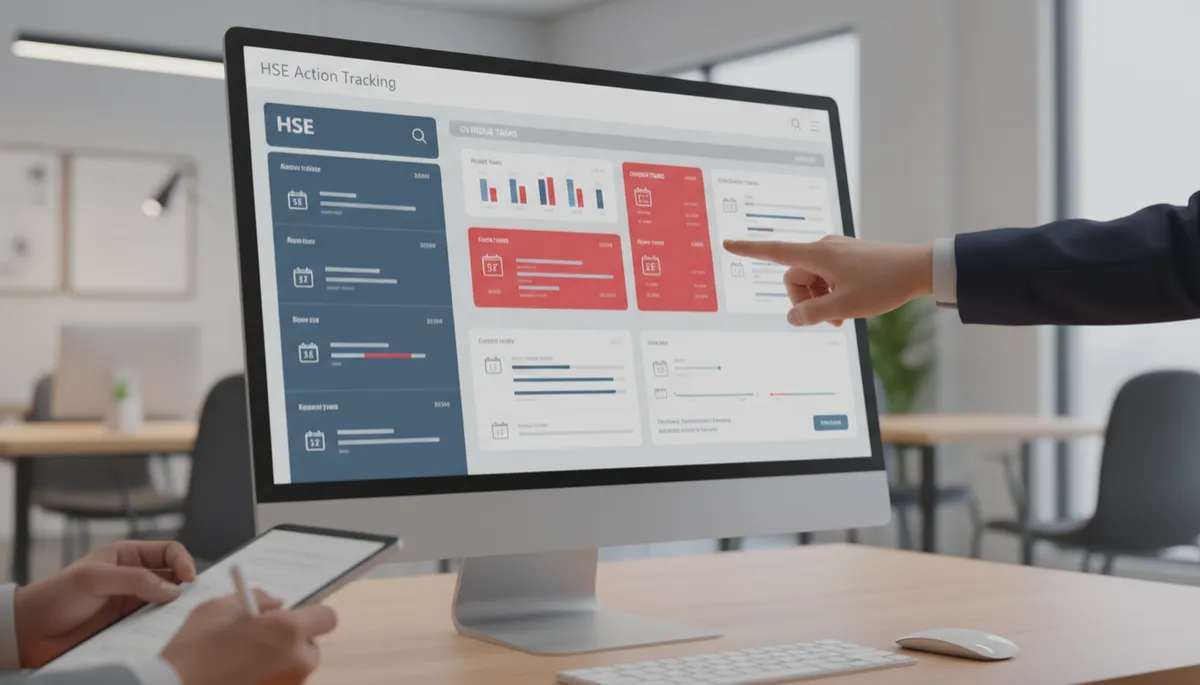
Systems gain traction when managers use HSE data in real operational reviews.
5. The Organisation Does Not Have Reliable Employee Information
The second major reason electronic HSE implementations fail has nothing to do with workflows or user interfaces. It is the quality of basic employee information. Safety teams often rely on HR extracts, branch spreadsheets or informal updates to understand who works where, in which role, and from which date. In dynamic environments with frequent transfers, seasonal workers or contractors, these lists become inaccurate very quickly.
An HSE system that does not “know” who is in the organisation, where they are based and what work they perform cannot reliably allocate inductions, training, medicals, PPE or role-based responsibilities. It will either allocate requirements incorrectly, or not at all. From an audit perspective, this undermines confidence in the data and forces the safety team back into manual reconciliation to answer basic questions about coverage and completion.
6. Why Employee Names and Roles Matter
Under the OHS Act, employers must provide information, instruction, training and supervision necessary to protect employees, and must ensure that employees understand the hazards associated with their work. In practice, the content and frequency of these interventions depend on the employee’s role, location, activities and exposure. A generic induction or blanket training schedule is unlikely to meet this requirement in a defensible way across complex operations.
Accurate identity and role information enables the system to allocate the correct induction, capture attendance at communication sessions, manage statutory and internal appointments, issue appropriate PPE, track people involved in incidents, and manage transfers between roles or branches without losing history. It also underpins reliable evidence: being able to show not only that “training was held”, but exactly which individuals, in which roles, at which sites, completed which requirements. For senior managers and boards, this level of traceability is central to demonstrating due diligence rather than relying on assumptions.
7. HR and Safety Need an Agreed Information Process
The answer is not unrestricted access to HR systems for the safety department. It is a clearly defined, jointly owned information process. HR, operations, IT and HSE should agree which employee data is required for operational safety management, why each field is necessary, which system is the authoritative source, and how information will be kept synchronised as people join, move or leave. Access should be role-based, auditable and aligned with privacy and data protection requirements.
Critically, this process must be designed before the electronic HSE system is rolled out. If users log in and find their names, roles or branches are incorrect, confidence in the system erodes immediately. By establishing clear responsibilities for data ownership, update cycles, exception handling and governance, organisations create the information backbone on which meaningful automation and reporting can be built. Platforms such as i‑Manage Compliance are most effective when they are connected to a stable, agreed source of employee and organisational data rather than trying to compensate for fragmented records.
8. Technology Exposes Weak Processes
When an electronic HSE system goes live, it often reveals issues that were previously hidden in paper files, email trails and personal notebooks. Outdated appointments, unreliable employee lists, unresolved corrective actions and unclear branch responsibilities become visible on dashboards and reports. This can be uncomfortable, particularly where there has been an assumption that “we are in control” because no major incidents have occurred recently.
It is important to recognise that this visibility is a feature, not a failure. The system is not creating the gaps; it is highlighting them. Management then faces a choice: correct the underlying processes and structures, or work around the issues and allow them to persist. Where leadership chooses the latter, employees quickly associate the system with friction and blame, rather than with support and clarity. Over time, this erodes adoption and reduces the value of the investment.
9. Build the Foundation Before Rollout
For senior leaders, the most practical way to de‑risk an electronic HSE implementation is to treat it as a management and information project first, and a technology project second. Before rollout, the organisation should be able to answer five straightforward questions:
Who is the executive sponsor, and how will they exercise oversight?
What must branch managers and other responsible people do in the system?
Do they have the authority, resources and training to do it consistently?
Where will accurate employee and organisational information come from, and who owns it?
How will management review progress, respond to gaps and reinforce accountability?
If these questions cannot be answered clearly, the implementation is not ready, regardless of how capable the software may be. i‑Manage Compliance can help organisations structure responsibilities, track actions, standardise processes and evidence due diligence across multiple sites. What it cannot do is replace management ownership, accurate information or clearly defined roles. Those elements remain leadership responsibilities.
For organisations preparing to implement or replace an electronic HSE system, the most valuable next step is a structured discussion about management, information and implementation design. If your organisation requires greater visibility, stronger accountability and more consistent oversight of HSE activities, consider engaging with i‑Manage Compliance to explore how a practitioner-built system, aligned with clear management structures, can support your operational environment in a practical and sustainable way.